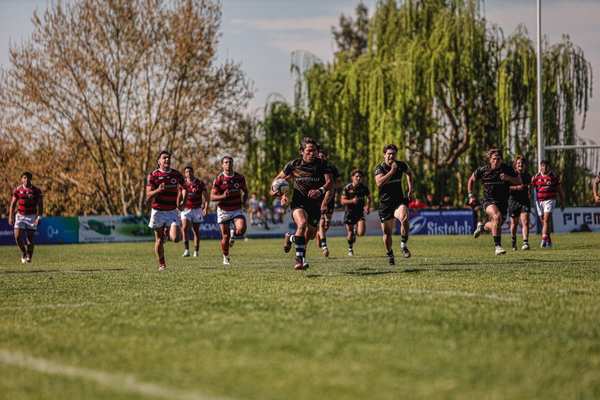
Major League Rugby brings professional rugby union to American sports fans through city-based teams, a regular season, standings and a championship game. Those familiar elements make the competition approachable. The surprise comes on the field: play continues through tackles, teams can score without stopping the clock, and possession can change in seconds. To understand MLR, … Read more
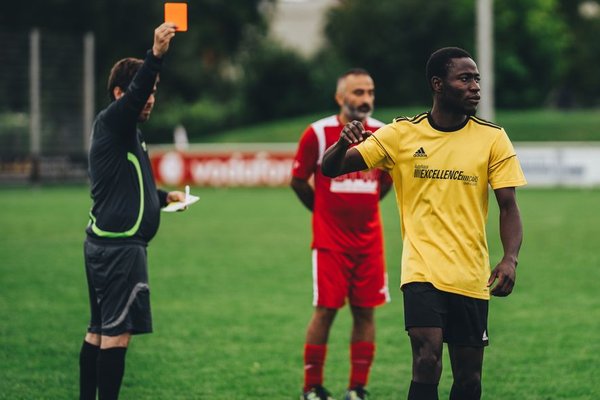
Rugby Yellow and Red Cards: What Each Card Means
KennethChing
A flash of yellow or red can change a rugby match before the next whistle. One card forces a team to survive temporarily with fewer players; another ends a player’s involvement altogether. Yet the consequences are not always as simple as “yellow means ten minutes, red means the rest of the game.” Modern rugby union … Read more
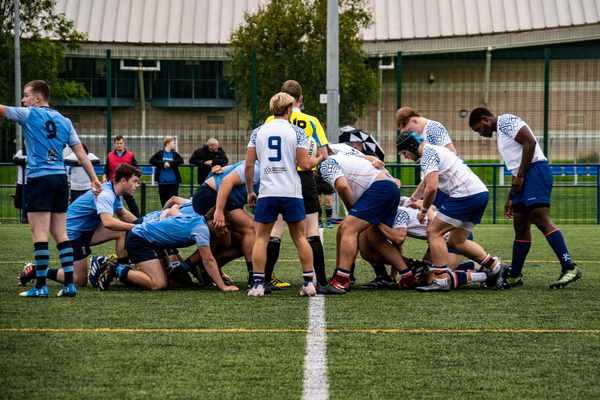
Rugby League Rules Explained for Beginners
KennethChing
Rugby league can look chaotic at first: players charge into contact, the referee counts tackles, and a kick suddenly changes possession. Once you understand a few rugby league rules, the action becomes easier to follow. The biggest clue is that league is not rugby union. It has 13 players per side, a six-tackle limit and … Read more

400m Pacing Strategy: How to Run the First 100m Through the Finish
The 400 metres is short enough to demand speed and long enough to punish a reckless opening. Run the first bend like a 100m final, and the home straight can become a fight to keep moving. Start too cautiously, and there may be no way to recover the lost time. A useful 400m pacing strategy … Read more
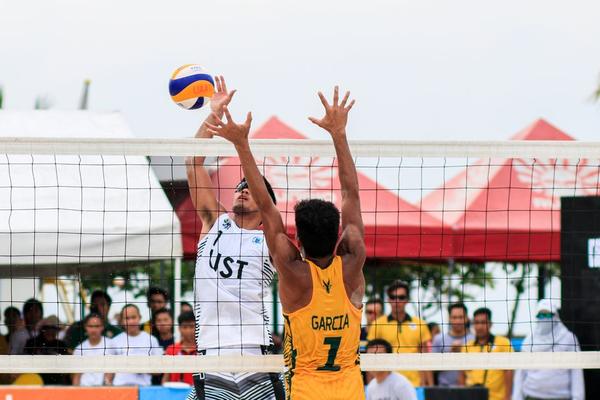
Pan American Games vs Olympics: What Sets Them Apart
For U.S. sports fans, the Pan American Games can look like a smaller version of the Olympics: national teams, ceremonies, dozens of sports, medal tables, and athletes wearing their country’s colors. The resemblance is real, but the two events serve different purposes. The Olympics are global, while the Pan American Games bring together athletes from … Read more
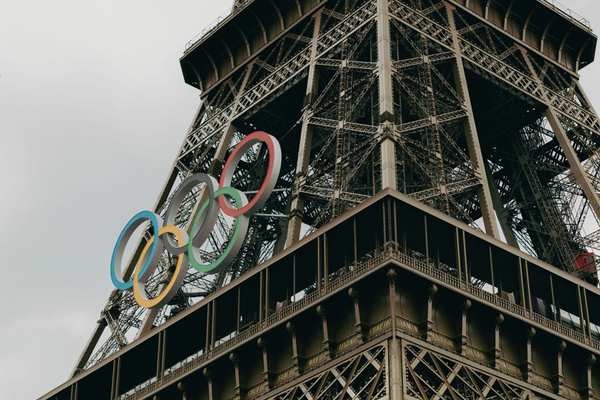
How Olympic Host Cities Are Selected by the IOC
Choosing an Olympic host is no longer a simple contest in which several cities submit fixed bids and wait for a single vote. The International Olympic Committee now uses a more flexible host-selection model built around ongoing dialogue, long-term planning, and the ability to shape a Games project around existing venues and regional development goals. … Read more